Ready for a Truckload? How to Know When Your Resale Business Can Handle More Inventory
Ready for a Full Truckload?
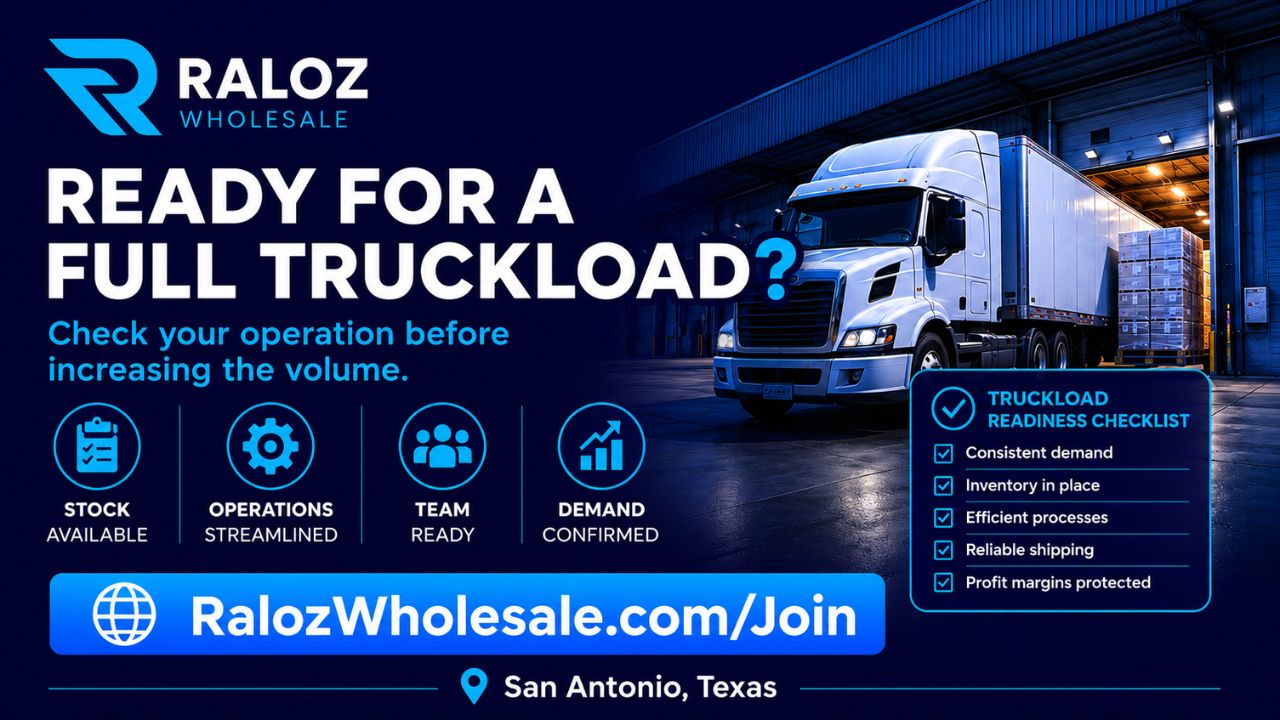
A full truckload can look like the next logical step when your resale business is growing. More inventory may mean more selling opportunities, a better cost per unit, and fewer trips to restock. But volume only helps when your operation can receive, sort, store, list, and sell it without creating a new set of problems.
The question is not simply whether you can afford a truckload. The better question is whether your business can handle the full process from delivery to resale.
Before increasing your buying volume, check the systems behind the purchase. A truckload should support your operation, not overwhelm it.
Do You Have the Space?
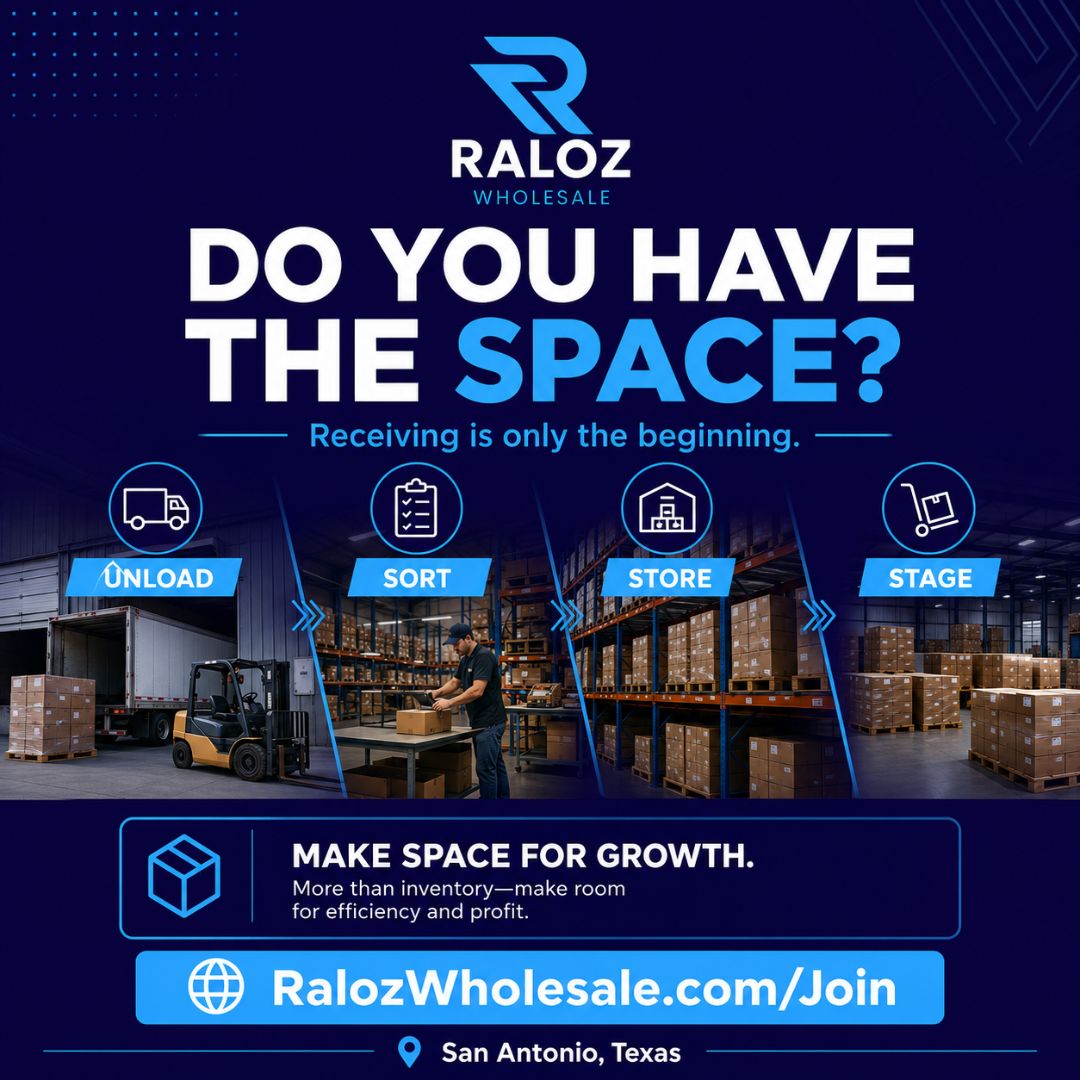
Receiving a truckload is only the beginning. Once the inventory arrives, you need enough room to unload it, inspect it, sort it, store it, and separate items by condition or sales channel.
A crowded warehouse, garage, or storage area can slow down every part of the resale process. Products may get damaged, inventory may be misplaced, and workers may spend more time moving boxes than preparing items for sale.
Think beyond the space required for the pallets themselves. You may also need clear areas for:
Unloading and staging
Testing or inspecting products
Sorting sellable and non-sellable items
Photographing or listing inventory
Holding items that are ready for pickup or delivery
Walk through your space before buying. Decide exactly where the truckload will go and how the inventory will move through the building. If receiving the load blocks your normal operation, the volume may be too large for your current setup.

Can You Protect Your Cash Flow?
Truckloads require more capital than individual liquidation pallets. The purchase price is only one part of the total cost. Freight, unloading, labor, supplies, storage, repairs, disposal, and selling fees may also affect your available cash.
Inventory should not consume every dollar in the business. A reseller still needs money to cover regular operating costs and unexpected expenses. Tying up too much cash in one load can create pressure to discount products too quickly or delay the next purchase.
Before committing, calculate how much cash will remain after the load is paid for and received. Make sure the business can continue operating while the inventory sells.
It also helps to estimate several sales outcomes. Consider what happens if the truckload moves slower than expected, includes more damaged items than planned, or requires extra labor. These possibilities do not automatically make the load a bad purchase, but they should be part of the decision.
How Fast Can You Process It?
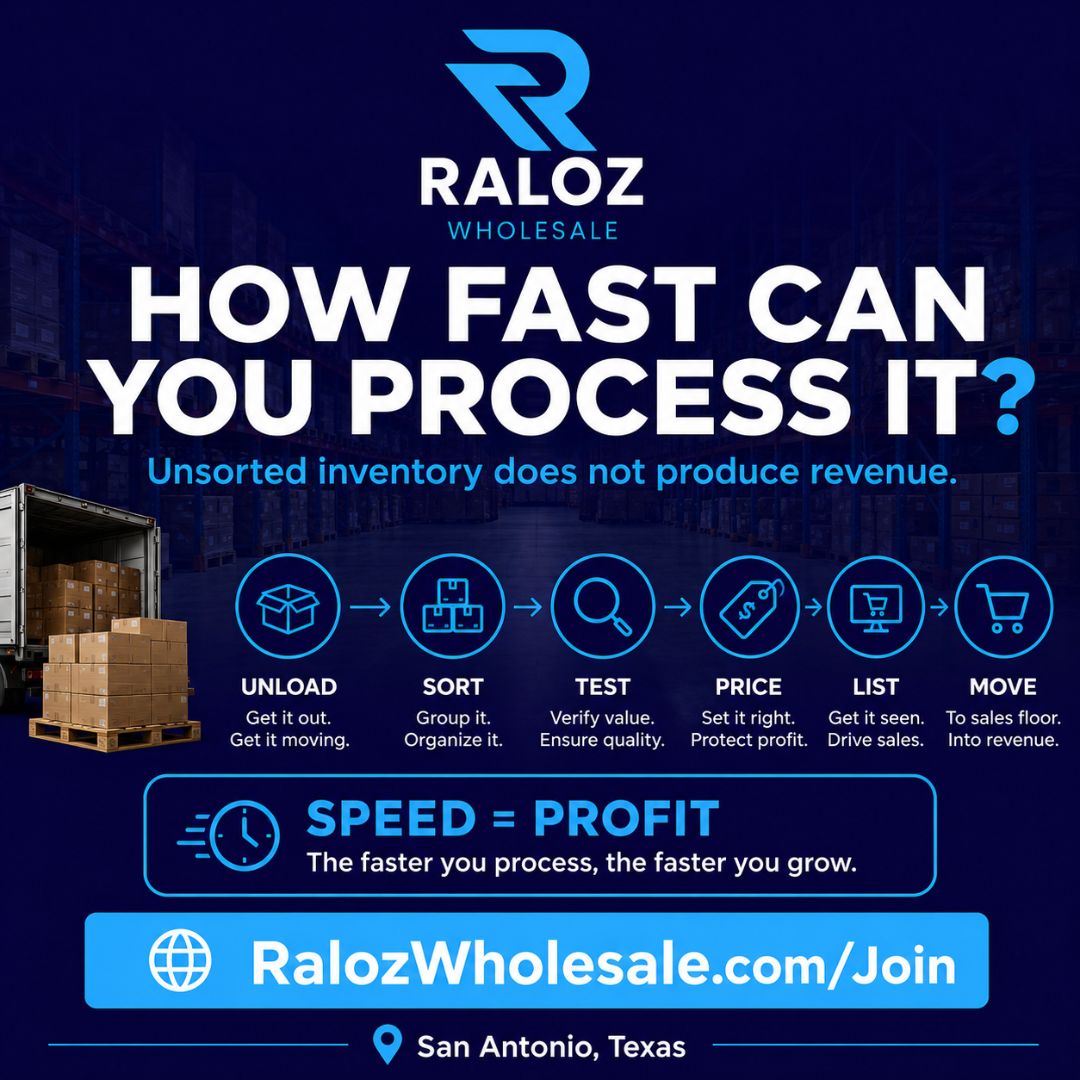
Unsorted inventory does not produce revenue. A truckload may contain hundreds or thousands of units, and every item needs a next step.
Some products may be ready to sell immediately. Others may need testing, cleaning, bundling, pricing, photography, or minor repairs. Items that sit untouched take up space and keep cash tied up.
Review your current processing speed. How many pallets can your team unload and sort in one day? How many listings can you create each week? How quickly can products reach the flea market, online store, bin store floor, or local buyers?
Use real numbers from previous loads instead of guessing. If one pallet currently takes several weeks to process, a full truckload may create a backlog that lasts for months.
A clear workflow makes volume easier to manage. Assign steps, create sorting zones, prepare supplies, and decide how each product category will be handled before delivery day.

Do You Have More Than One Sales Channel?
Truckload volume usually moves faster when it has multiple exits. Relying on one marketplace, one flea market weekend, or one group of buyers can limit how quickly you recover your investment.
Different products may perform better in different places. Higher-value items may work online. Everyday household goods may sell through local pickup. Lower-cost products may fit a bin store, discount store, bundle sale, or flea market table.
Before buying, map out where the inventory can go. Your plan may include:
Online marketplaces
Flea markets
Local pickup
Social media sales
Bin store inventory
Bulk sales to other resellers
Discount retail locations
The goal is not to use every channel. It is to have enough options so one slow channel does not stop the entire load from moving.
Track which categories perform best in each place. That information helps you choose future truckloads that match your customers instead of buying volume without a clear destination.
Can You Buy Again After It Sells?
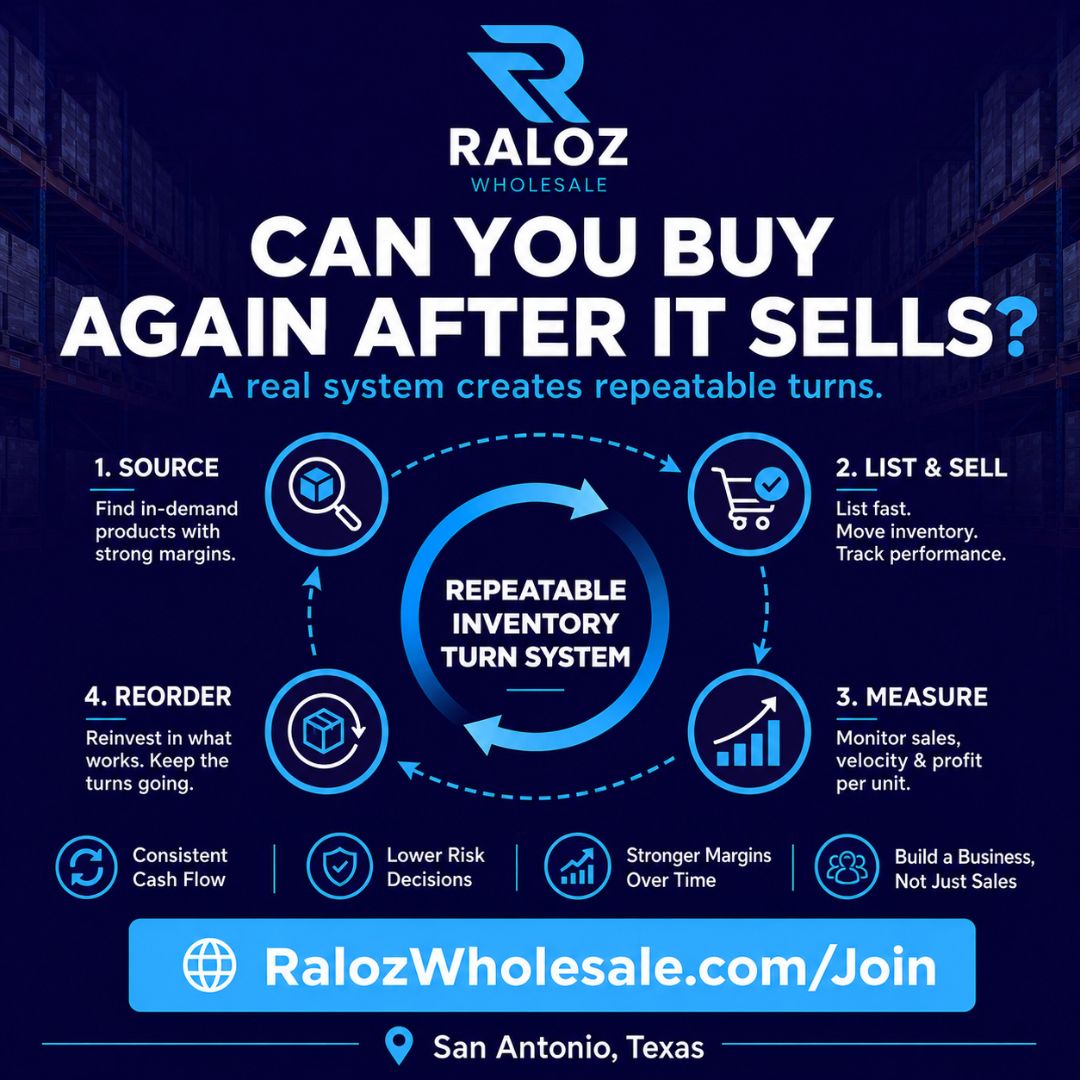
A real resale system creates repeatable inventory turns. Buying one truckload, selling it slowly, and using all the revenue to recover from the purchase is different from building a process that can be repeated.
Look at how much of the load must sell before you can restock. Consider how long it takes to recover your buying capital and whether your operation can maintain enough inventory without becoming overstocked.
The strongest reason to move into truckloads is not that the price looks attractive. It is that your numbers show the business can receive, process, sell, and reorder consistently.
Start by reviewing the results from your recent pallets. Track total cost, sales, labor, fees, damaged inventory, processing time, and days to sell. When those numbers are stable, they can help you estimate whether larger volume makes sense.
Scale When the Operation Is Ready
A full truckload can be a useful step for pallet flippers, flea market sellers, bin store owners, and growing resale businesses. It can also expose weak systems very quickly.
Check your space, protect your cash flow, measure your processing speed, build more than one sales channel, and confirm that you can restock after the inventory sells. When those parts work together, truckload buying becomes a planned business decision instead of a gamble on more merchandise.
Want to stay connected when new pallets and truckloads are available? Join the Buyers List at RalozWholesale.com/Join and stay updated with Raloz Wholesale.
