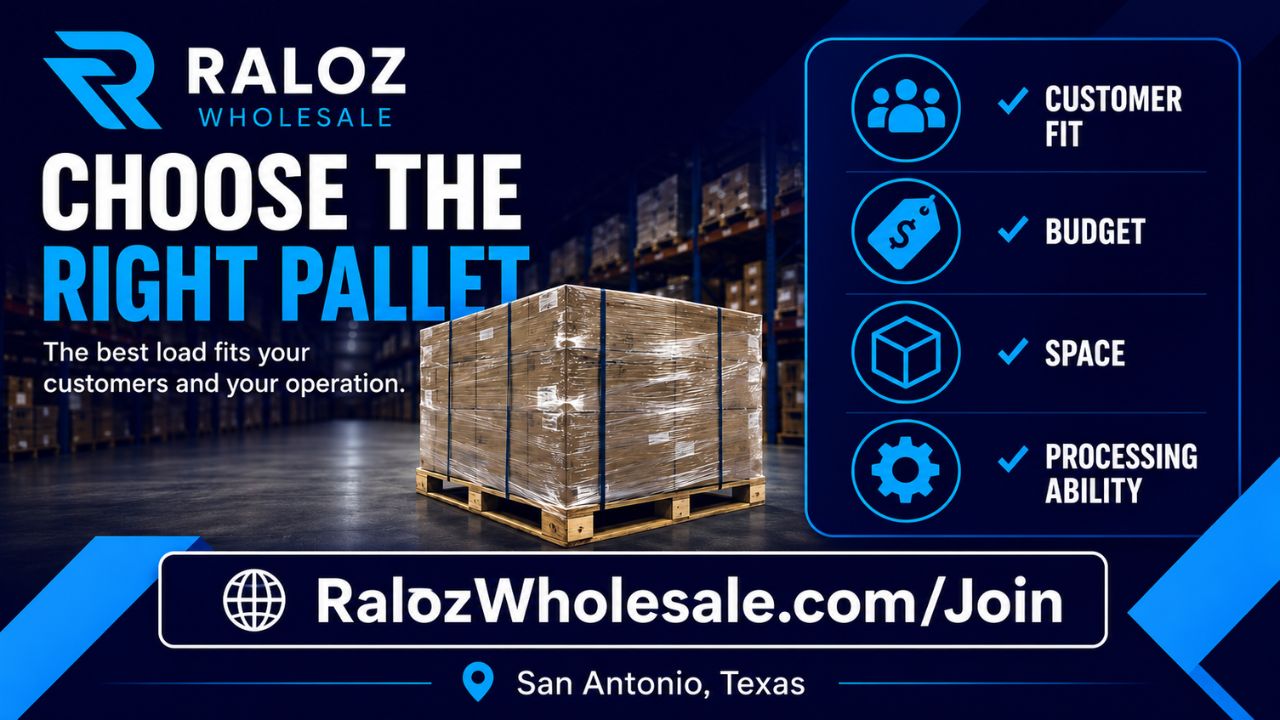
How to Choose the Right Liquidation Pallet for Your Resale Business
How to Choose the Right Liquidation Pallet
Choosing the right pallet is not about finding the biggest load or the lowest price. It is about buying inventory that fits your customers, selling channels, available cash, and the amount of work your operation can handle.
A pallet can look like a strong opportunity and still become a problem if the products do not match your market. The best load is one you can process, price, sell, and replace without letting inventory sit for months.
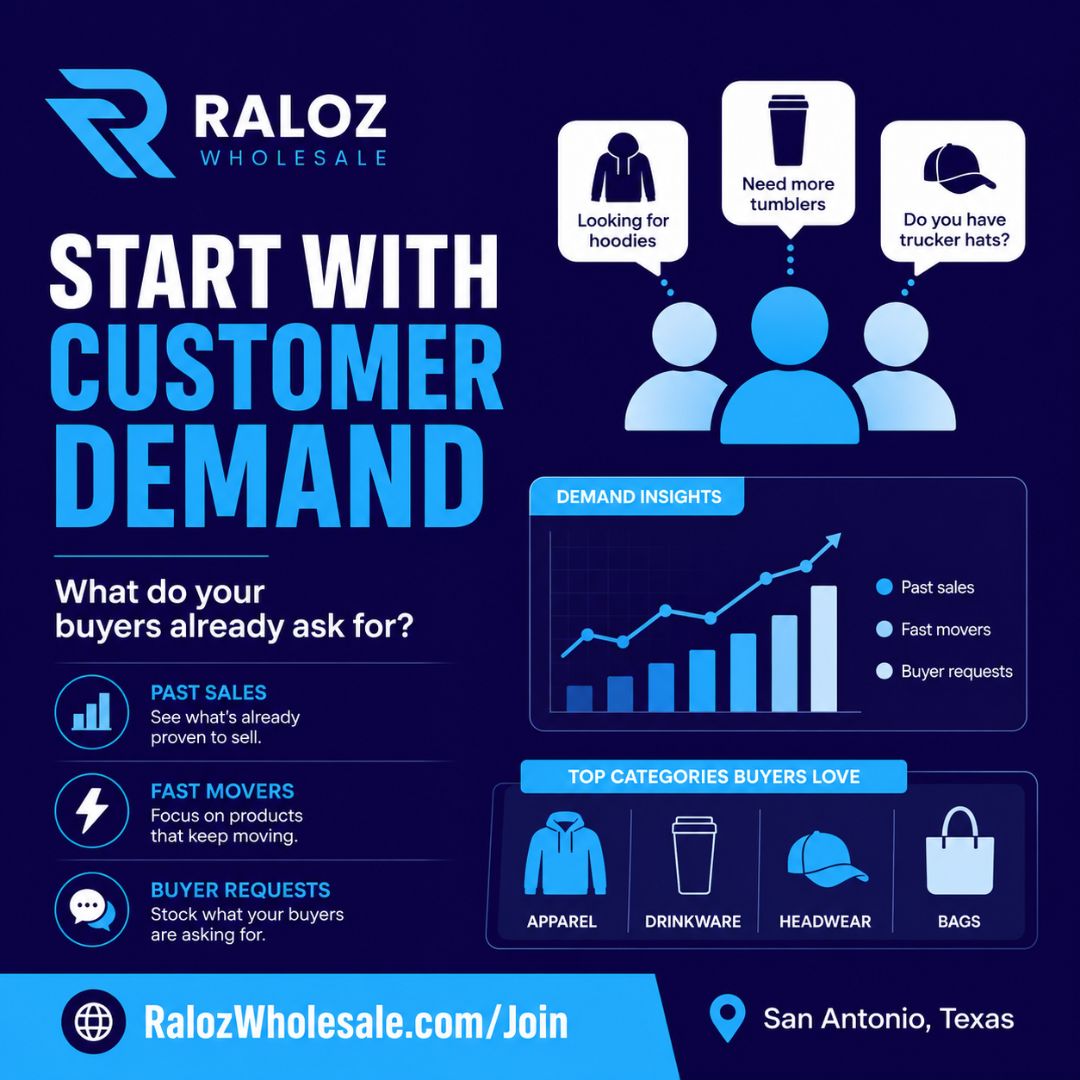
Start With Customer Demand
Before you buy a pallet, think about what your customers already ask for.
A flea market seller may need affordable household goods, tools, small appliances, or easy-to-carry items. An online reseller may prefer products with recognizable brands, clear model numbers, and enough resale value to justify listing and shipping. A bin store owner may need mixed merchandise that creates variety across several price days.
Your sales history is more useful than guessing. Review which categories sell quickly, which price ranges get the most attention, and which items customers ask you to find again. Even a simple notebook or spreadsheet can reveal useful patterns.
Do not buy a pallet only because the category sounds popular. A product can be popular in general and still be a poor fit for your specific buyers. The right pallet starts with real demand from the people you serve.

Check the Condition Mix
Liquidation pallets can include new, shelf-pull, open-box, returned, damaged-box, used, incomplete, or untested merchandise.
The important question is not whether every item is perfect. It is whether your operation can handle the condition mix.
If you have space to test electronics, organize parts, clean products, and make minor repairs, you may be comfortable with a load that requires more processing. If you need merchandise ready to price quickly, a heavier testing or repair workload may slow you down.
Be honest about your labor, tools, knowledge, and time. A lower-cost pallet can become expensive when too many hours are spent checking products your team cannot sell efficiently.
For manifested loads, study the listed categories, quantities, and available condition details. With unmanifested loads, expect more uncertainty and make sure your operation can manage that risk.
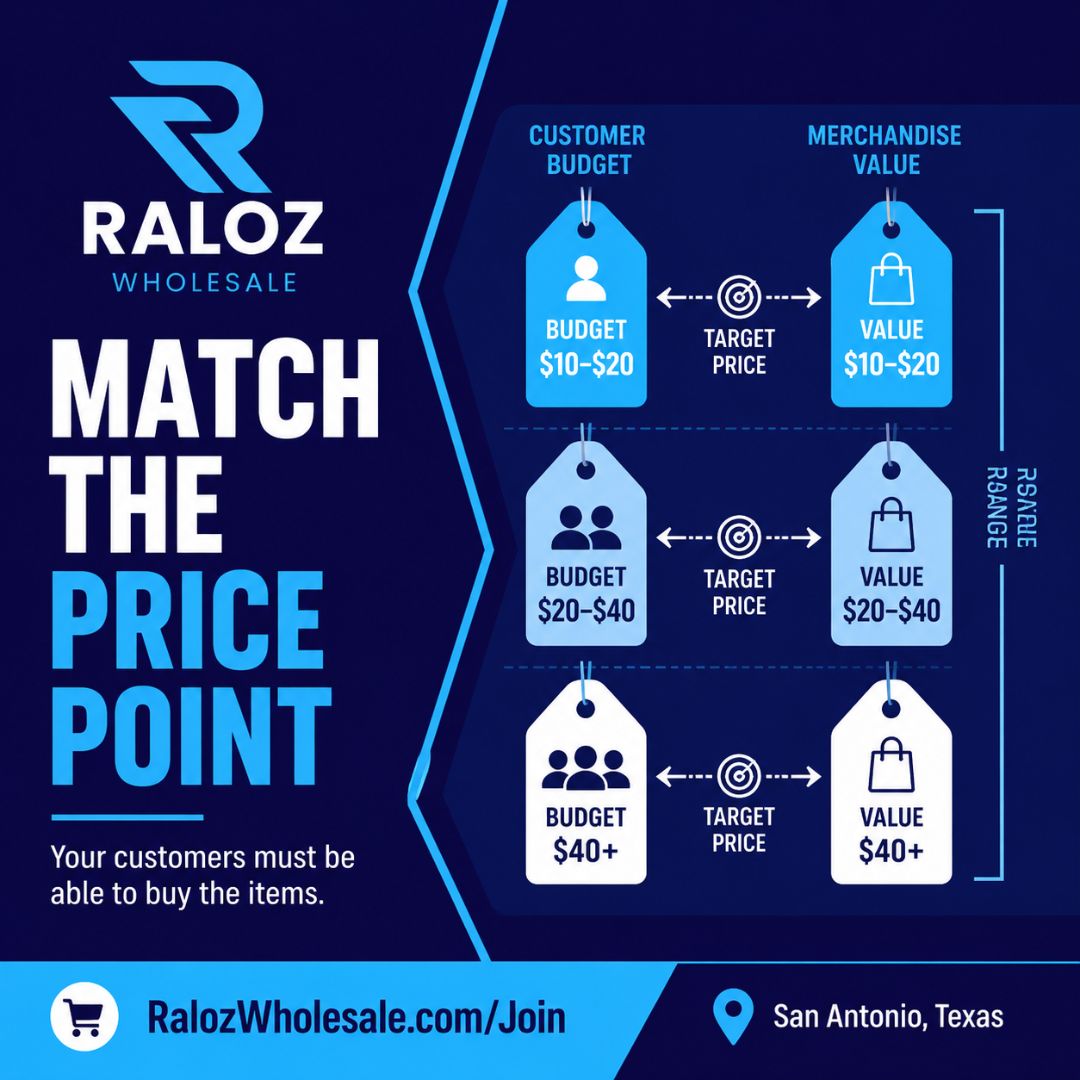
Match the Price Point to Your Customers
A pallet may contain valuable products, but value only matters when your customers can afford the items.
Think about the prices that work in your selling channel. Flea market shoppers may respond best to practical items at accessible prices. Online buyers may accept higher prices when the product is easy to identify, compare, and ship. Discount store customers expect savings but still want useful products with clear condition information.
Before buying, estimate the realistic selling range for the main categories. Do not base your decision only on original retail prices. Retail value does not automatically become resale value.
Consider condition, local demand, selling fees, shipping costs, missing parts, and the time required to make each sale. A pallet with high retail value can still move slowly if most items sit above your customers’ normal budget.
Choose inventory that lets you price competitively while covering your total costs.
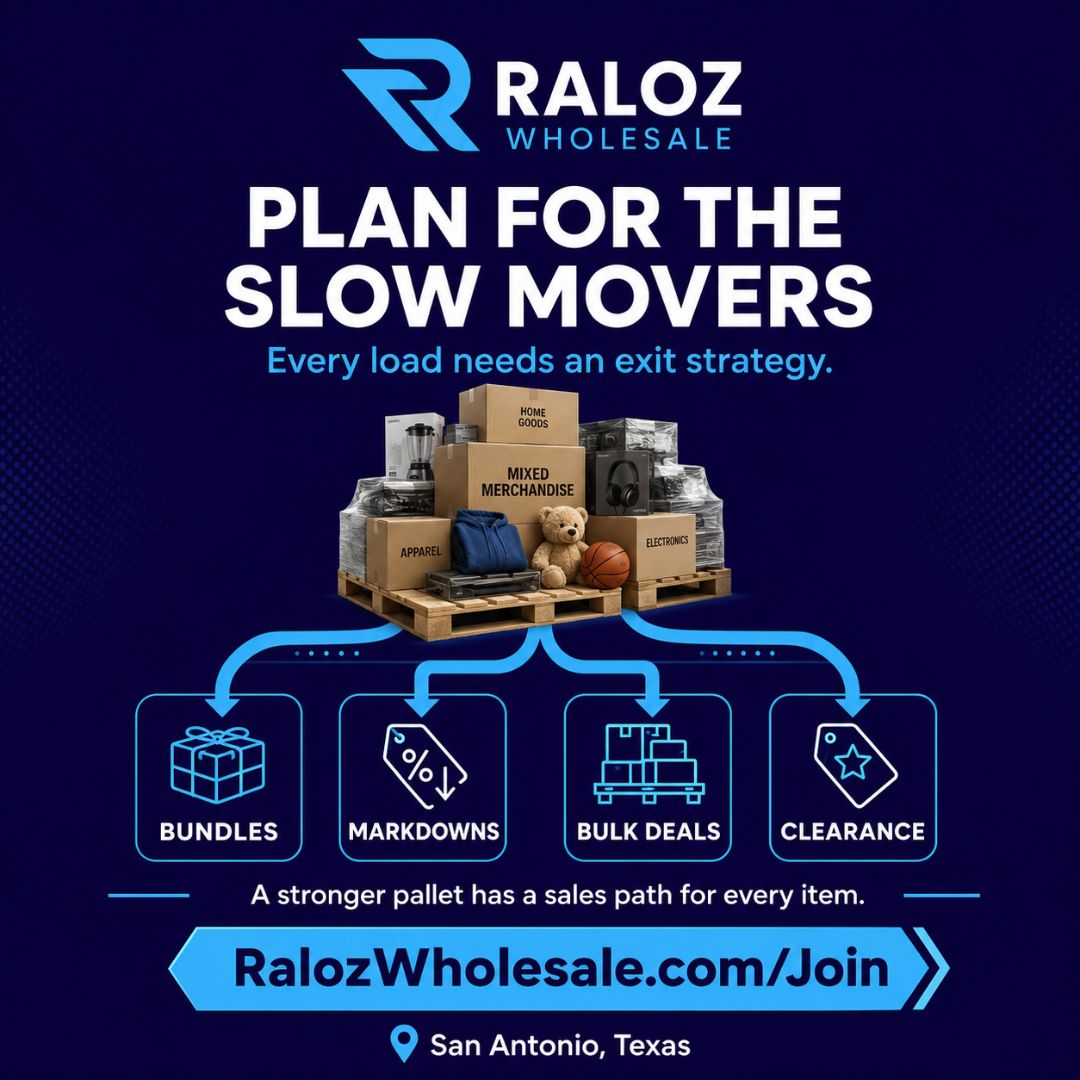
Plan for the Slow Movers
Every pallet has items that move faster than others. The mistake is assuming everything will sell through the same channel at the same speed.
Before you buy, create an exit strategy for slower inventory. You may sell strong items individually, bundle related products, move lower-value merchandise through a flea market, offer bulk deals to another reseller, or place selected items in a discount section.
This does not mean dropping prices immediately. It means knowing what you will do if an item does not sell after several attempts.
Set a simple review schedule. Check which products are still sitting, how many times they have been listed or displayed, and whether the price or sales channel needs to change.
Inventory that stays stacked ties up cash and space. A plan for slow movers helps you recover funds and prepare for the next buying opportunity.

Buy What You Can Turn
A larger pallet is not always a better pallet. The right volume depends on how quickly you can receive, sort, test, list, display, sell, and clear the merchandise.
Before purchasing, look at your storage, transportation, labor, and cash flow. Include costs beyond the pallet price, such as freight, pickup, supplies, marketplace fees, cleaning materials, and disposal.
It is better to buy a manageable load and learn from the results than to overbuy and lose control of the operation. Inventory should move through a system, not become a permanent stack in the warehouse or garage.
Track each pallet as its own project. Record the purchase cost, extra expenses, number of sellable units, sales by channel, slow movers, and remaining inventory. This shows which types of wholesale pallets fit your business.
Profit is not created by owning more merchandise. It comes from turning inventory into sales, recovering your investment, and using what you learned to improve the next purchase.
Choose Based on Fit, Not Excitement
The best liquidation pallet fits both sides of your business: the customers who will buy the products and the operation responsible for moving them.
Start with demand, understand the condition mix, match the price point, prepare for slow movers, and keep the volume within your real capacity. These steps will not remove every risk, but they can help you buy with a clearer plan instead of relying on hope.
Raloz Wholesale helps resellers source liquidation pallets and truckloads for different business models. Buyers can review available opportunities, plan pickup from the San Antonio warehouse, discuss freight options, and get support in English or Spanish.
Want to stay connected when new pallets and truckloads are available? Join the Buyers List at RalozWholesale.com/Join and stay updated with Raloz Wholesale.
