How Raloz Wholesale Works for Resellers
Buying liquidation inventory should not feel like a blind guess. If you are building a resale business, the goal is not just to buy pallets. The goal is to source inventory that fits how you sell, how fast you can move product, and what your customers already want.
That is the simple idea behind how Raloz Wholesale works. Raloz Wholesale helps resellers source liquidation pallets and truckloads in a straightforward way, whether they sell at flea markets, online, through a discount store, or inside a bin store. The process works best when buyers come in with a plan, ask the right questions, and understand what type of load makes sense for their business.

Start With Your Sales Model
Before buying a pallet or truckload, start with the way you actually make money. A flea market seller may need visible, easy-to-explain items. An online reseller may care more about smaller products, brand recognition, and items that are easier to photograph and ship. A discount store buyer may need variety that fills shelves. A bin store owner may need volume that can feed tables or bins consistently.
This matters because not every liquidation pallet is built for every reseller. Heavy items, bulky products, fragile goods, mixed conditions, and customer returns all require different handling. A pallet that looks exciting in a warehouse may not be the right choice if your selling channel cannot move that type of merchandise.
The smarter move is to match the inventory to your customers before you buy. Think about where you sell, what price points your buyers respond to, how much storage you have, and how much time you can spend sorting, testing, cleaning, or listing items. That gives you a better chance to buy with purpose.
Review the Inventory Before You Decide
Once you know your sales model, the next step is reviewing the inventory. This does not mean every item will always be perfect or that every pallet will come with the same level of detail. Liquidation has risk. But serious buyers should still understand the basics before making a decision.
Look at the category first. Is it general merchandise, home goods, tools, electronics, furniture, apparel, small appliances, or another type of inventory? Then consider the condition. Is the load made up of returns, shelf pulls, overstock, or mixed goods? Each type can create different work after the purchase.
Load type matters too. Some buyers prefer manifested loads because they want more detail before buying. A manifest can help estimate product mix and possible selling strategy, but it still needs to be reviewed carefully. Other buyers are comfortable with unmanifested loads because they know how to sort, process, and sell mixed inventory without needing every item listed in advance.
The key is to know what you are buying at a practical level. Do not focus only on the most exciting items you see. Pay attention to the full load, the work involved, and whether your business can handle the inventory from receiving to selling.
Lock In the Right Load When It Fits
Good wholesale inventory does not always sit around. Resellers, pallet flippers, flea market vendors, discount store buyers, and bin store owners are often looking for similar opportunities. When a load fits your business, your budget, and your selling channel, waiting too long can mean missing it.
That does not mean you should rush into every pallet. It means you should be prepared enough to make a clear decision when the right opportunity shows up. A good habit is to decide your buying standards before you shop. Know what categories you want, what products you avoid, how much work you are willing to do, and how much inventory you can realistically process.
Buying liquidation is not about chasing every deal. It is about recognizing the loads that match your plan.
Plan Pickup or Shipping Early
Inventory is only useful when you can receive it, move it, and process it. That is why pickup and shipping should be part of the buying decision from the start.
For local buyers, pickup from the San Antonio warehouse can make sourcing simpler because you can plan around your own vehicle, trailer, crew, or storage setup. Before buying, think about how many pallets you can safely move and where the inventory will go once it reaches you.
For buyers outside the area or buyers taking larger loads, freight options may be part of the plan. Truckloads and larger wholesale liquidation purchases require more preparation than a single pallet. You need to think through delivery access, unloading equipment, storage space, and the time it takes to break down and organize the load.
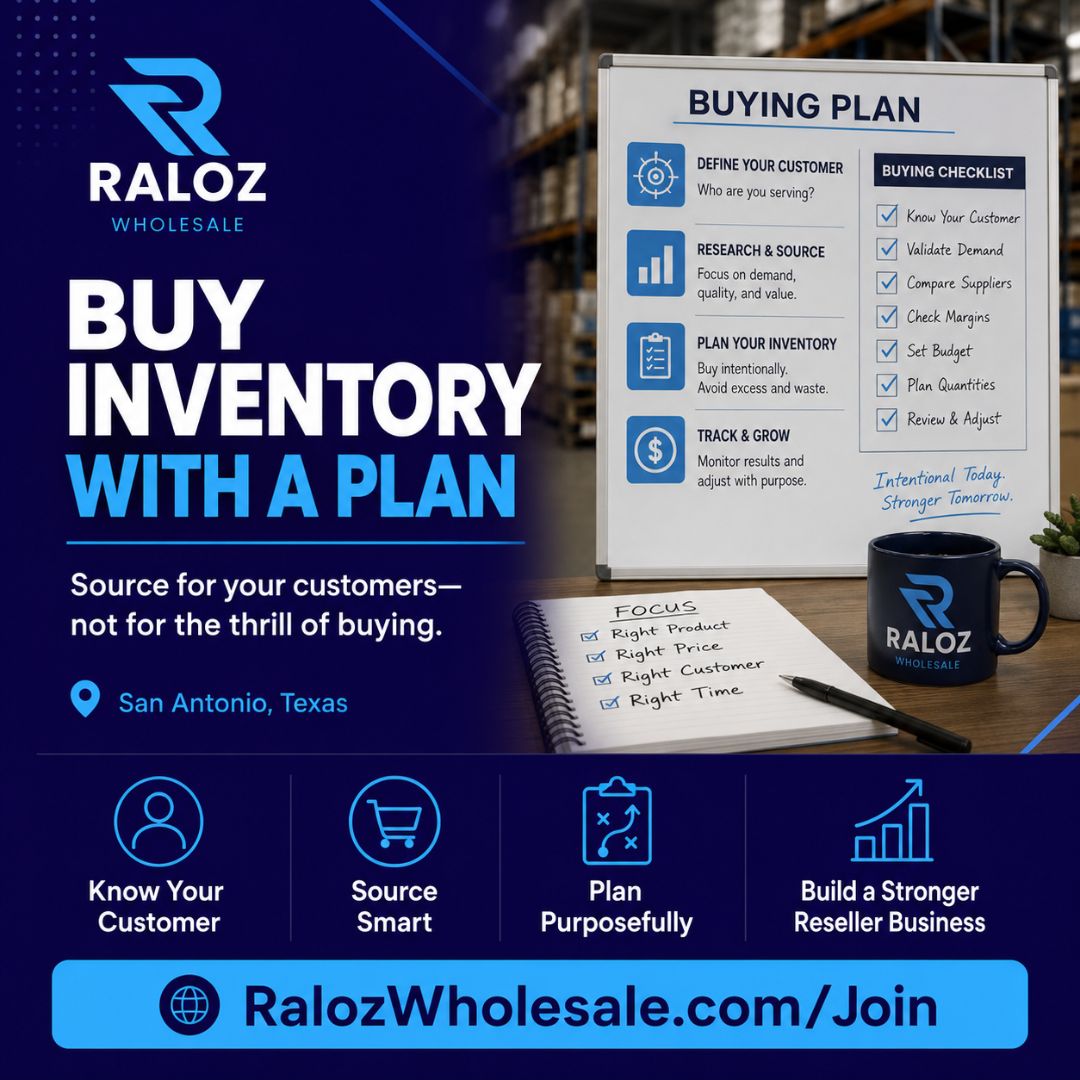
Buy Inventory With a Plan
One of the biggest mistakes resellers make is buying for the thrill of the deal instead of buying for their customers. Liquidation pallets can be exciting because every load feels like an opportunity. But excitement does not help if the inventory does not match your market.
Before buying, ask yourself a few honest questions. Who is going to buy this from me? Where will I sell it? How will I price it? How much work will it take before it is ready to sell? What items are likely to move fast, and what items may need more time?
Raloz Wholesale is built around buyers who want a practical way to source pallets and truckloads. The business serves pallet flippers, flea market sellers, bin store owners, small business buyers, and resellers who want to grow without guessing on bad inventory. Raloz Wholesale offers liquidation pallets, truckloads, manifested and unmanifested loads, pickup from the San Antonio warehouse, freight options, and bilingual English and Spanish support.
How does Raloz Wholesale work? Start with your sales model. Review the inventory. Lock in the right load when it fits. Plan pickup or shipping. Then buy with a clear resale plan.
Want to stay connected when new pallets and truckloads are available? Join the Buyers List at RalozWholesale.com/Join and stay updated with Raloz Wholesale.
