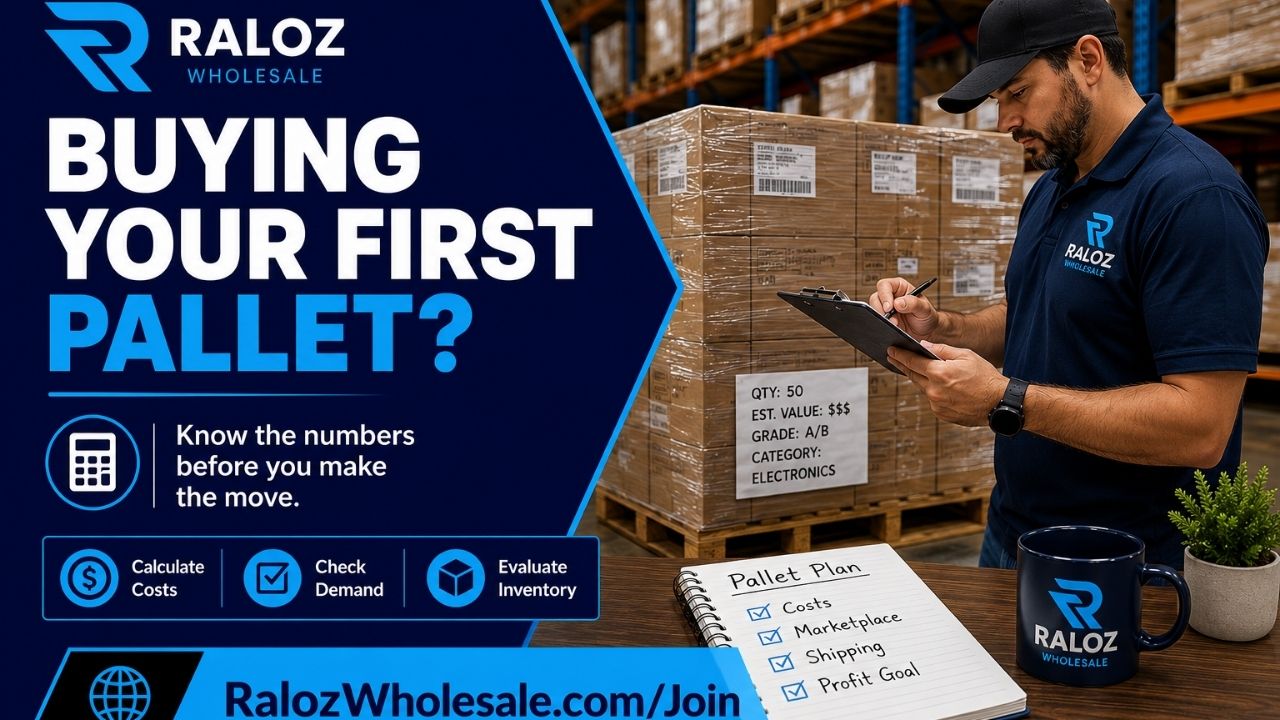
Buying Your First Liquidation Pallet? Know the Numbers First
Buying Your First Pallet? Know the Numbers Before You Make the Move
Buying your first pallet can feel exciting, but the smart move is to slow down and know your numbers before you buy.
Liquidation pallets can help resellers start or grow a resale business, but they are not something to buy blindly. A pallet is inventory. Every item, condition, category, and extra cost affects what happens after it leaves the warehouse.
For a new reseller, the first pallet should not be about chasing the biggest load. It should be about learning how wholesale liquidation works, testing your sales process, and understanding what your customers actually buy.
At Raloz Wholesale, we work with pallet flippers, flea market sellers, bin store owners, small business buyers, and resellers who want to source inventory with more confidence. If you are buying your first pallet, here is what to think through before you make the move.
Set a Total Budget, Not Just a Pallet Budget
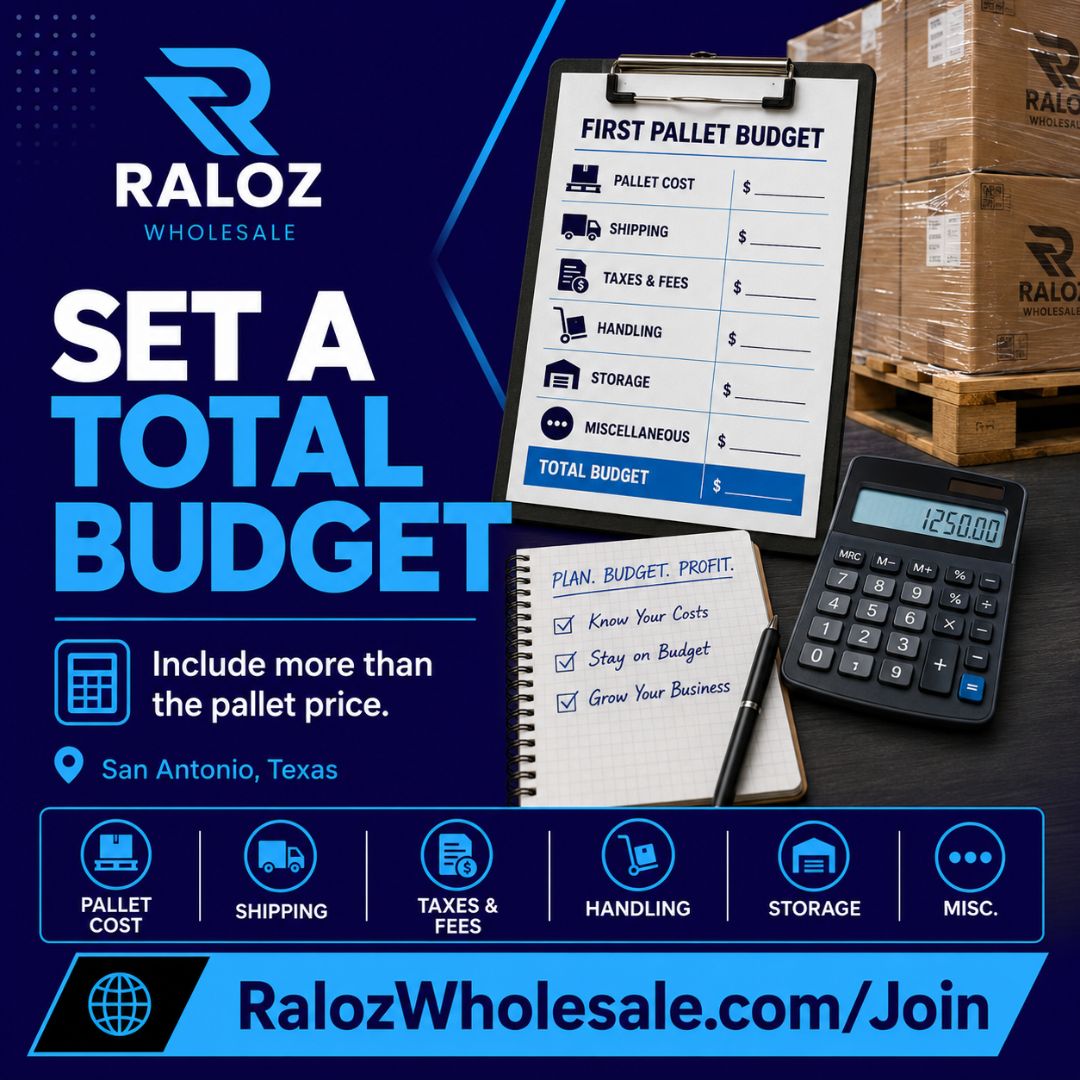
A common first-time mistake is only looking at the pallet price. That number matters, but it is not the full cost of buying inventory.
Your total budget should include the pallet, pickup or freight, fuel, storage, supplies, labor, cleaning materials, testing needs, and selling fees if you use online platforms. Even simple things like boxes, tape, labels, batteries, or small replacement parts can affect your numbers.
Before buying your first liquidation pallet, write down the total amount you are comfortable putting into the deal. Then separate that number into categories. How much is for the pallet? How much is for transportation? How much cash do you need to keep available after the purchase?
This matters because your first pallet may take time to sort, list, display, or sell through. You do not want to spend your whole budget on the pallet and then realize you have no room left to move the inventory properly.
Know Where You’ll Sell Before You Buy
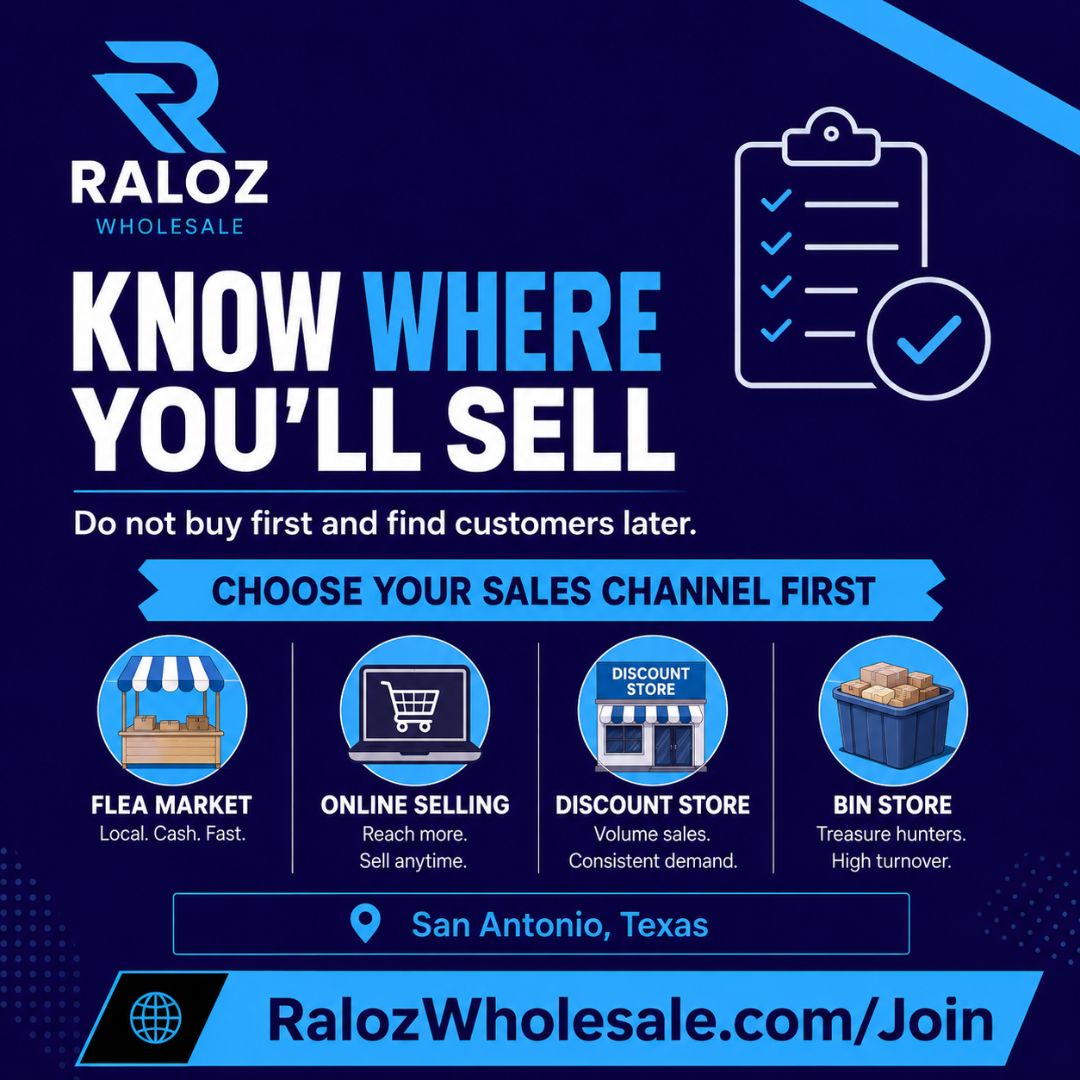
Do not buy first and find customers later.
Before choosing a pallet, think about your selling channel. Are you selling at a flea market? On Facebook Marketplace? Through an online store? In a bin store? From a garage setup? To other local resellers?
Different selling channels need different inventory. A flea market seller may want items that are easy to display and price quickly. An online seller may care more about smaller items with clear model numbers and shipping-friendly sizes. A bin store owner may look for volume, variety, and items that fit a simple pricing structure.
This is why your sales model matters before your pallet choice. The question is not just, “Is this a good pallet?” The better question is, “Can I sell this type of inventory through the channel I already have?”
When you buy based on your customers, you make better decisions. When you buy based only on excitement, you can end up with merchandise that sits.
Expect Mixed Conditions
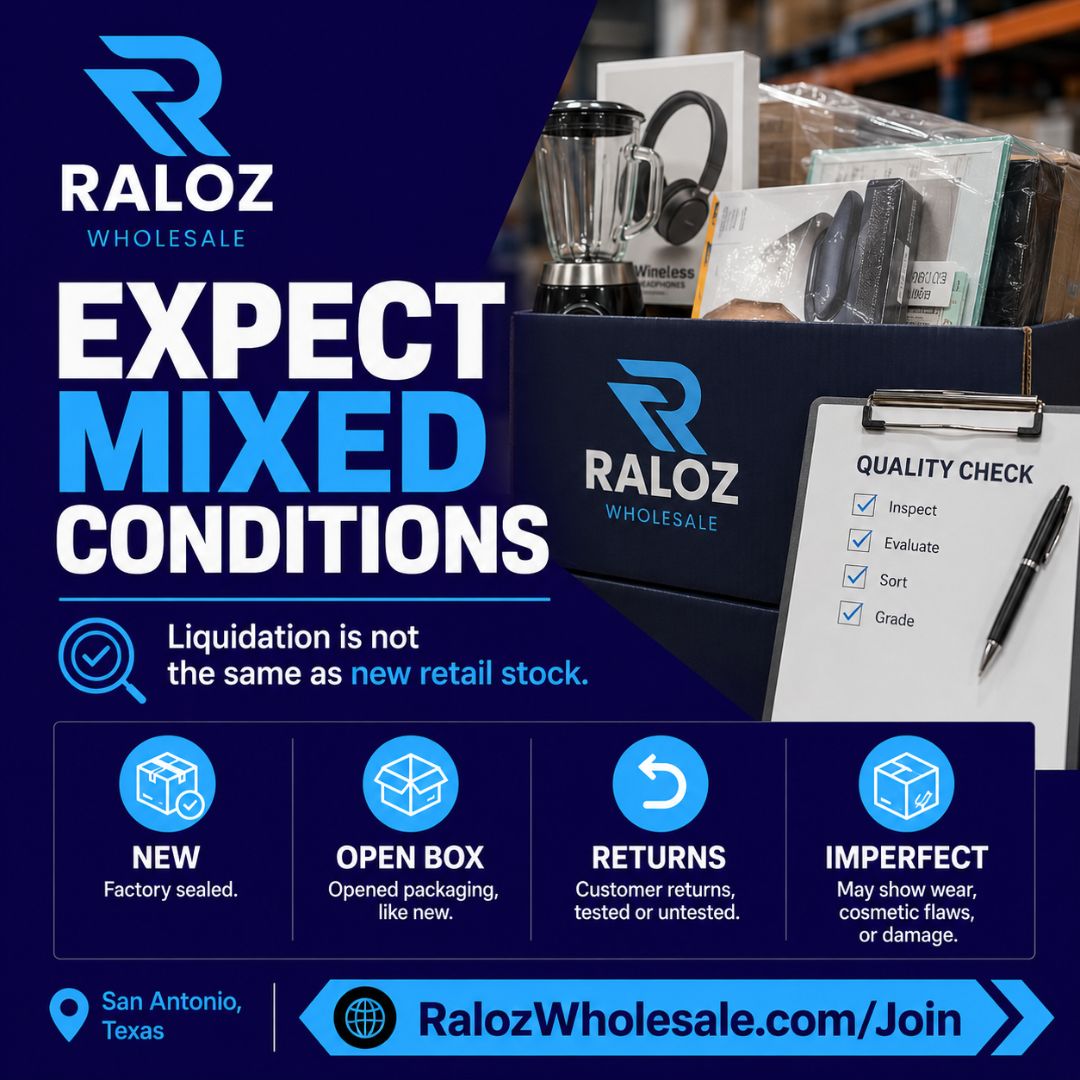
Liquidation is not the same as new retail stock.
Depending on the load type, a pallet may include shelf pulls, customer returns, overstock, open-box items, damaged packaging, incomplete sets, tested items, untested items, or mixed-condition merchandise. Some items may be ready to sell quickly. Others may need cleaning, testing, repair, bundling, or discount pricing.
This is part of the wholesale liquidation business. It is also why buyers need to ask questions and understand the category, condition, and load type before purchasing.
Manifested loads can give buyers more item detail when available. Unmanifested loads may offer less detail and require more sorting after purchase. Neither option is automatically good or bad. The right choice depends on your experience, budget, selling channel, and comfort with risk.
For a first pallet, it helps to choose inventory you can understand. Product knowledge helps you price faster and avoid guessing.
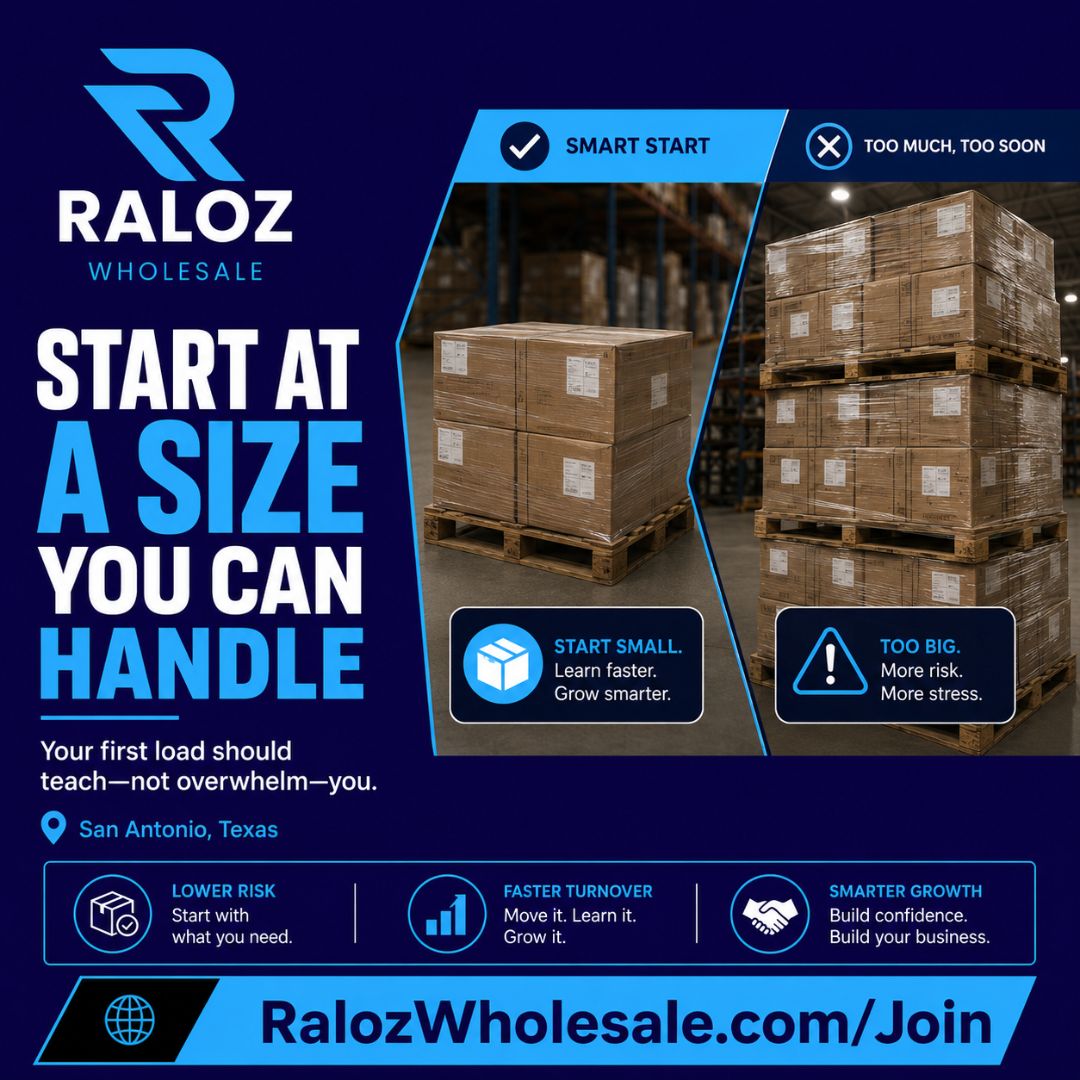
Start at a Size You Can Handle
Your first load should teach you, not overwhelm you.
It can be tempting to jump straight into bigger wholesale pallets or truckloads because the volume looks exciting. But volume creates work. Every item has to be unloaded, sorted, checked, cleaned, priced, listed, stored, moved, and sold.
Before buying, ask yourself a few simple questions. Where will the pallet go when I bring it home or to my business? Can I unload it safely? Do I have room to sort it? How many items can I realistically process in a week? Do I have a way to move bulky products if they are included?
Starting smaller does not mean thinking small. It means building your process before you take on more inventory. Once you know your numbers and workflow, stepping into larger pallets or truckloads becomes a more informed decision.
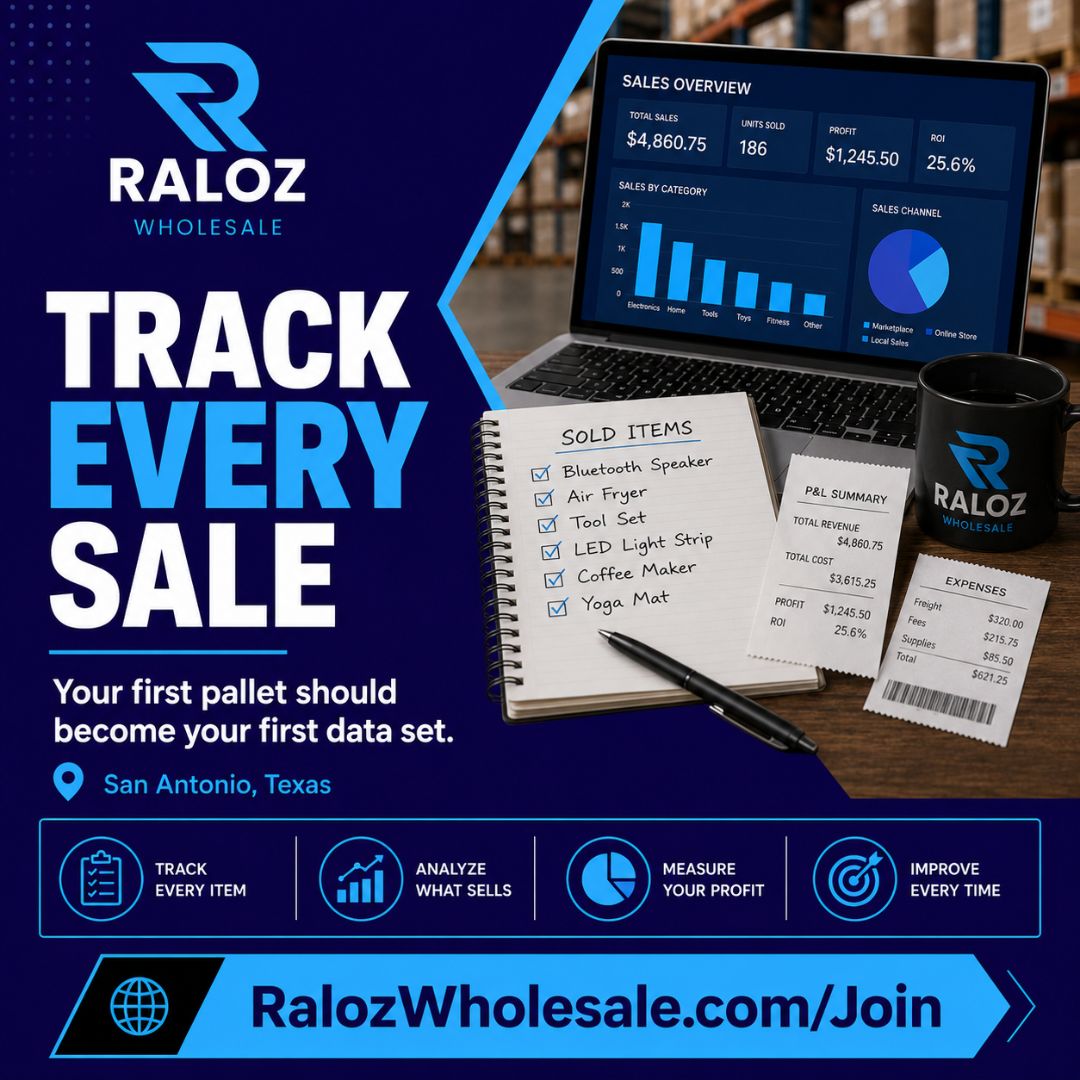
Track Every Sale From the First Pallet
Your first pallet should become your first data set.
Do not rely on memory. Track what you paid, what extra costs you had, what each item sold for, how long it took to sell, where it sold, and what stayed behind.
This does not need to be complicated. A notebook, spreadsheet, or simple tracking app can work. The goal is to understand your real results, not just the feeling that a pallet was “good” or “bad.”
Track categories, too. You may discover that small home goods sell faster for you than bulky items. You may learn that certain products do better at the flea market than online. You may find that items with damaged boxes still sell well if the product is complete, clean, and priced right.
Good resellers use each load to make the next buy smarter.
Your First Pallet Is a Learning Move
Buying your first pallet is not just about getting inventory. It is about learning how to source, sort, price, sell, and track like a reseller.
Know your numbers before you buy. Understand your selling channel. Expect mixed conditions. Start with a size you can handle. Track every sale so your first pallet teaches you what to do next.
Want to stay connected when new pallets and truckloads are available? Join the Buyers List at RalozWholesale.com/Join and stay updated with Raloz Wholesale.
